

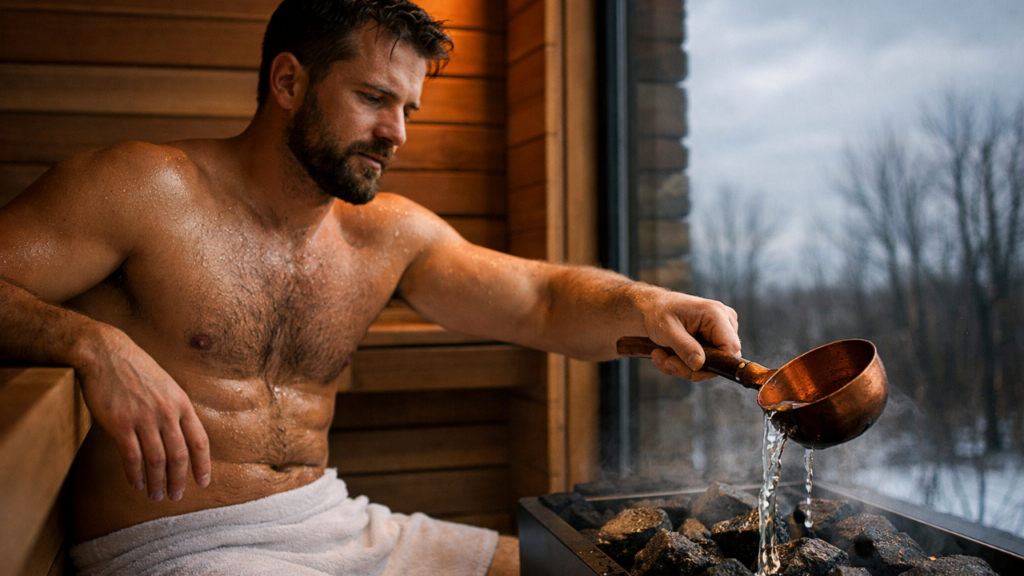
During the winter months, the human body faces several challenges: lower temperatures, reduced sun exposure, decreased physical activity, and a higher incidence of colds, muscle pain, and fatigue. These conditions affect not only physical well-being but also mental balance.
In this context, having a sauna at home has been gaining relevance not only as a comfort feature, but as a practice associated with real health benefits, recognised by scientific research. When used regularly and responsibly, the sauna can be particularly beneficial during the colder months.
Why is the sauna especially beneficial in winter?
Cold weather causes blood vessels to constrict, increases muscle stiffness, and places greater physiological stress on the body. In addition, during winter we spend more time indoors and are less physically active.
The sauna works through passive heat, helping the body adapt better to these conditions by promoting relaxation, improved circulation, and physical recovery.
Improved blood circulation and cardiovascular health
One of the most consistent effects of sauna use is its positive impact on blood circulation. Heat causes blood vessels to dilate, increasing blood flow and reducing vascular stiffness.
A long-term cohort study, available in the PubMed Central , concluded that regular sauna use is associated with a significant reduction in the risk of mortality from cardiovascular diseases, including heart disease and stroke.
This effect is particularly relevant in winter, when cold weather tends to worsen circulatory problems.
Physiological benefits of passive heat
In addition to cardiovascular effects, the passive heat of the sauna induces relevant physiological adaptations in the body. A recent meta-analysis of clinical trials, published in the ScienceDirect , analysed passive heating interventions (including sauna use) and concluded that they can improve cardiometabolic parameters, such as blood pressure and vascular function.
These physiological responses make the sauna particularly interesting during periods of reduced physical activity, such as winter.
Support for the immune system during the colder months
During a sauna session, body temperature rises in a controlled manner, triggering physiological responses associated with the body’s adaptation to thermal stress.
A recent scientific review on Finnish sauna and health, which analyses physiological mechanisms and outcomes from multiple studies, states that regular sauna use may contribute to a better ability of the body to adapt to physical and environmental stressors. ResearchGate
In winter, this effect can be especially useful during periods of increased physical vulnerability.
Stress reduction and improved sleep quality
The heat of the sauna promotes deep relaxation of the nervous system, reducing muscle tension and enhancing a sense of well-being. These physiological responses are associated with:
- reduced stress
- greater mental relaxation
- improved sleep quality
During winter, when fatigue and stress levels tend to increase, this benefit becomes particularly important.

Relief of muscle and joint pain
Cold weather often worsens muscle and joint pain, especially in physically active individuals or those who spend many hours seated. Sauna use helps relax muscles and improve oxygen delivery to tissues, facilitating muscle recovery.
This effect makes the sauna a relevant option for winter, both for physical recovery and daily comfort.
Traditional sauna or infrared sauna: which to choose?
There are two main types of sauna for home use:
Traditional sauna
- Higher temperatures
- Steam production
- Intense experience and classic ritual
Infrared sauna
- More moderate temperatures
- Direct heating of the body
- Greater comfort for frequent use
Both offer proven benefits. The choice depends on available space, frequency of use, and personal preferences.
Safety and responsible use
Sauna use is safe when it is:
- correctly sized
- installed by specialised professionals
- used according to technical recommendations
Proper installation ensures efficiency, durability, and peace of mind during use.
Conclusion
In winter, having a sauna at home goes far beyond comfort. Scientific evidence indicates that regular use is associated with improved circulation, cardiovascular benefits, stress reduction, and support for physical and mental well-being.
When well planned, a sauna becomes a long-term investment in quality of life throughout the entire year.
Thinking about creating a wellness space in your home?
We develop sauna solutions tailored to your space and needs, with professional support at every stage of the project.